

Electrical planning is a core design responsibility — not an afterthought. Learn how professional interior designers coordinate outlets, circuits, and safety compliance from day one.
When planning a renovation or new build, electrical safety might not be the first thing that comes to mind. However, thoughtful electrical planning is fundamental to creating spaces that are both beautiful and safe. At Vahid Studio, we integrate electrical considerations into every design from the very beginning.
Why Electrical Planning Matters in Interior Design
A well-designed space isn't just about aesthetics—it's about functionality and safety. Poor electrical planning can lead to:
- Overloaded circuits and fire hazards
- Unsightly extension cords and power strips
- Inconvenient outlet placement
- Inadequate lighting for different activities

Key Areas Requiring Special Attention
Bathroom Electrical Safety
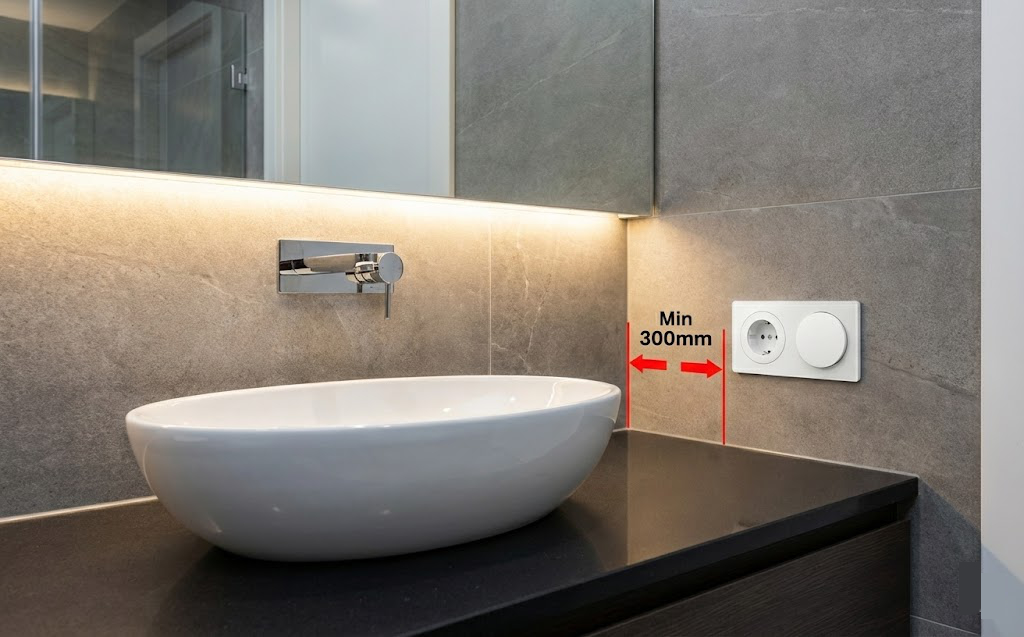
Bathrooms present unique challenges due to the proximity of water and electricity. Dutch regulations (NEN 1010) define specific zones where certain types of electrical installations are permitted:
- Zone 0: Inside the bath or shower - only SELV (Safety Extra Low Voltage) allowed
- Zone 1: Above the bath/shower to 2.25m height - IPX4 minimum rating required
- Zone 2: 60cm around zone 1 - IPX4 fixtures, switches permitted outside this zone
Kitchen Electrical Requirements
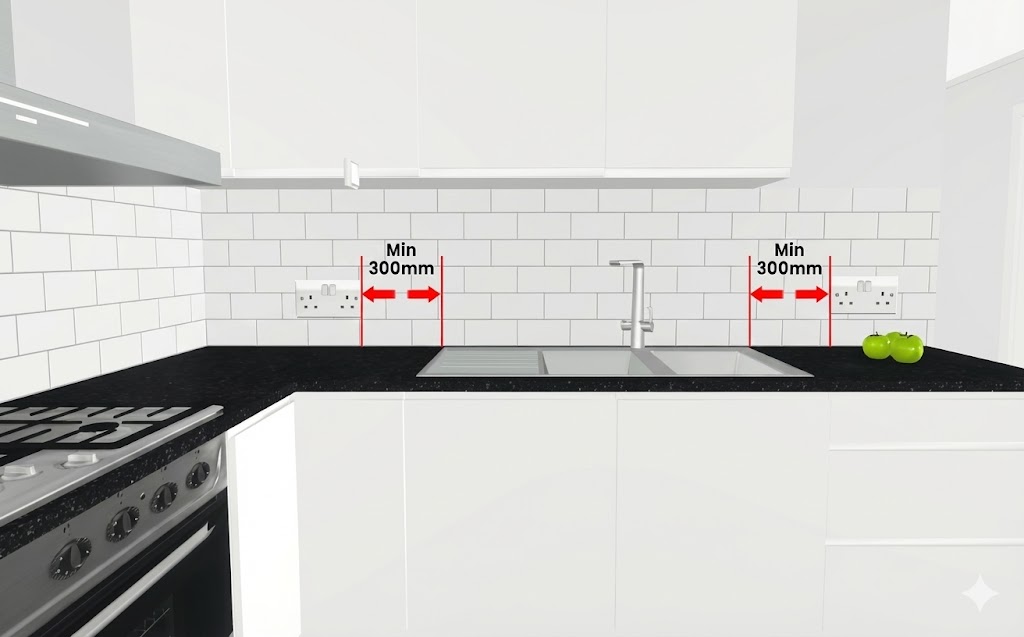
Modern kitchens are the heart of the home and require substantial electrical infrastructure:
- Dedicated circuits for high-power appliances (oven, dishwasher, induction cooktop)
- Multiple outlet clusters at counter height for small appliances
- Under-cabinet lighting circuits
- Proper ventilation hood connections
Home Office Considerations
With remote work becoming standard, home offices need careful electrical planning:
- Sufficient outlets for computer equipment
- Dedicated circuits for sensitive electronics
- Cable management solutions integrated into furniture design
- Task lighting and ambient lighting circuits

Working with Professionals
At Vahid Studio, we collaborate closely with certified electricians to ensure every project meets both aesthetic goals and safety requirements. Our integrated approach means:
- Electrical plans are developed alongside interior designs
- Hidden conduit routes are planned before finishes are applied
- Smart home integration is considered from the start
- Future expansion possibilities are built in
Conclusion
Electrical safety and beautiful design aren't mutually exclusive—they're complementary. By considering electrical requirements from the earliest design stages, we create spaces that are safe, functional, and aesthetically pleasing. Contact Vahid Studio to discuss how we can bring this integrated approach to your next project.
