

Discover why lighting is the hidden architecture of your home. Learn what separates good lighting from bad, and how to evaluate your current home lighting with our expert guide.
Lighting is one of the most powerful yet often overlooked elements in interior design. The right lighting can transform a space from ordinary to extraordinary, while poor lighting can undermine even the most carefully curated interiors. Understanding how to harness this transformative power is essential for creating spaces that truly feel like home.
The Psychology of Light
Light affects our mood, productivity, and overall well-being more than most people realize. Natural light triggers the production of serotonin, our body's "feel-good" hormone, while artificial light can either energize or relax us depending on its characteristics. Interior designers understand these psychological effects and use them strategically.
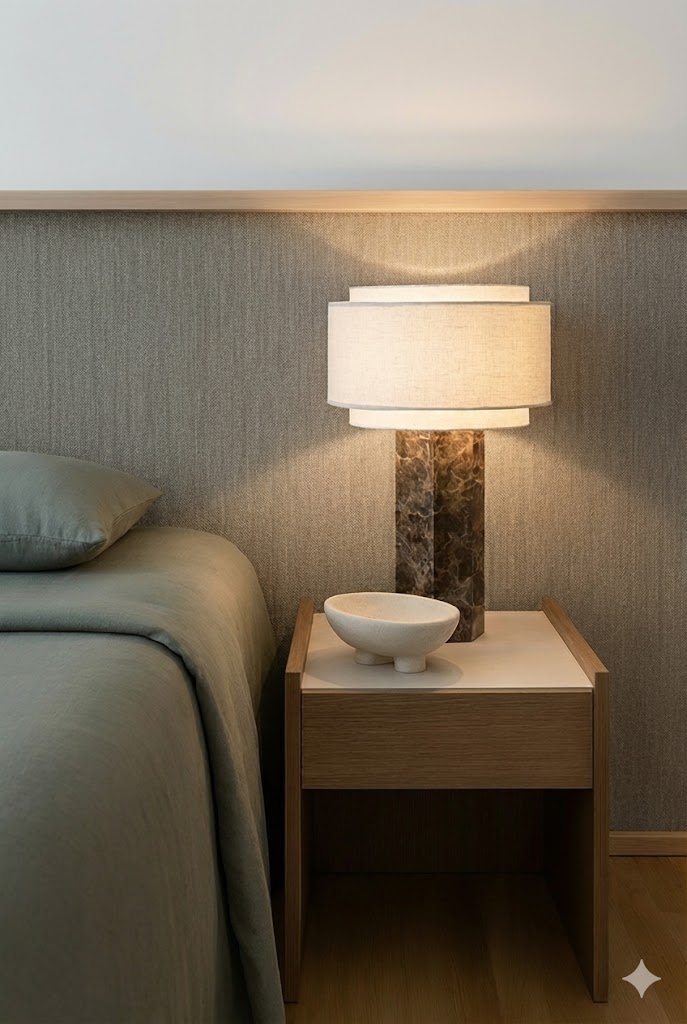
The Three Layers of Lighting
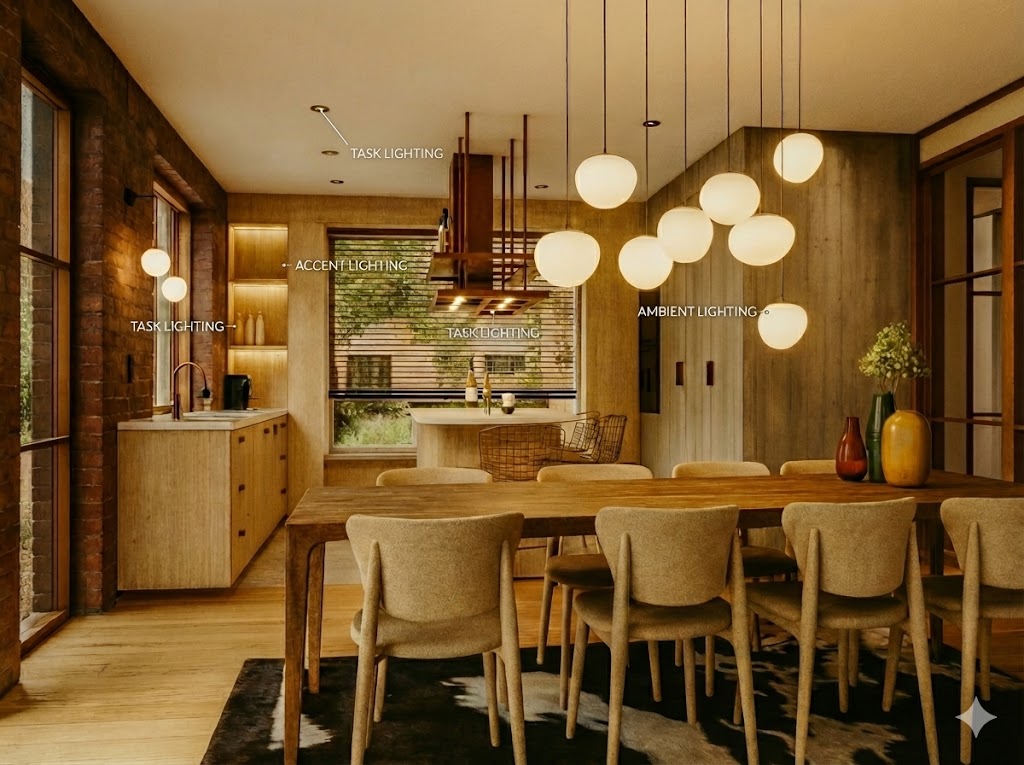
Professional lighting design incorporates three essential layers that work together to create balanced, functional spaces:
1. Ambient Lighting
Also known as general lighting, ambient lighting provides overall illumination for a room. This is your base layer—typically achieved through ceiling fixtures, chandeliers, or recessed lights. The goal is to create uniform, comfortable brightness throughout the space.
2. Task Lighting
Task lighting focuses light where you need it most for specific activities. Reading lamps, under-cabinet kitchen lights, and vanity lights are all examples. This layer ensures you can perform daily activities comfortably without straining your eyes.
3. Accent Lighting
Accent lighting adds drama and visual interest by highlighting architectural features, artwork, or decorative elements. Wall sconces, picture lights, and directional spotlights create focal points and add depth to your design.
Understanding Color Temperature
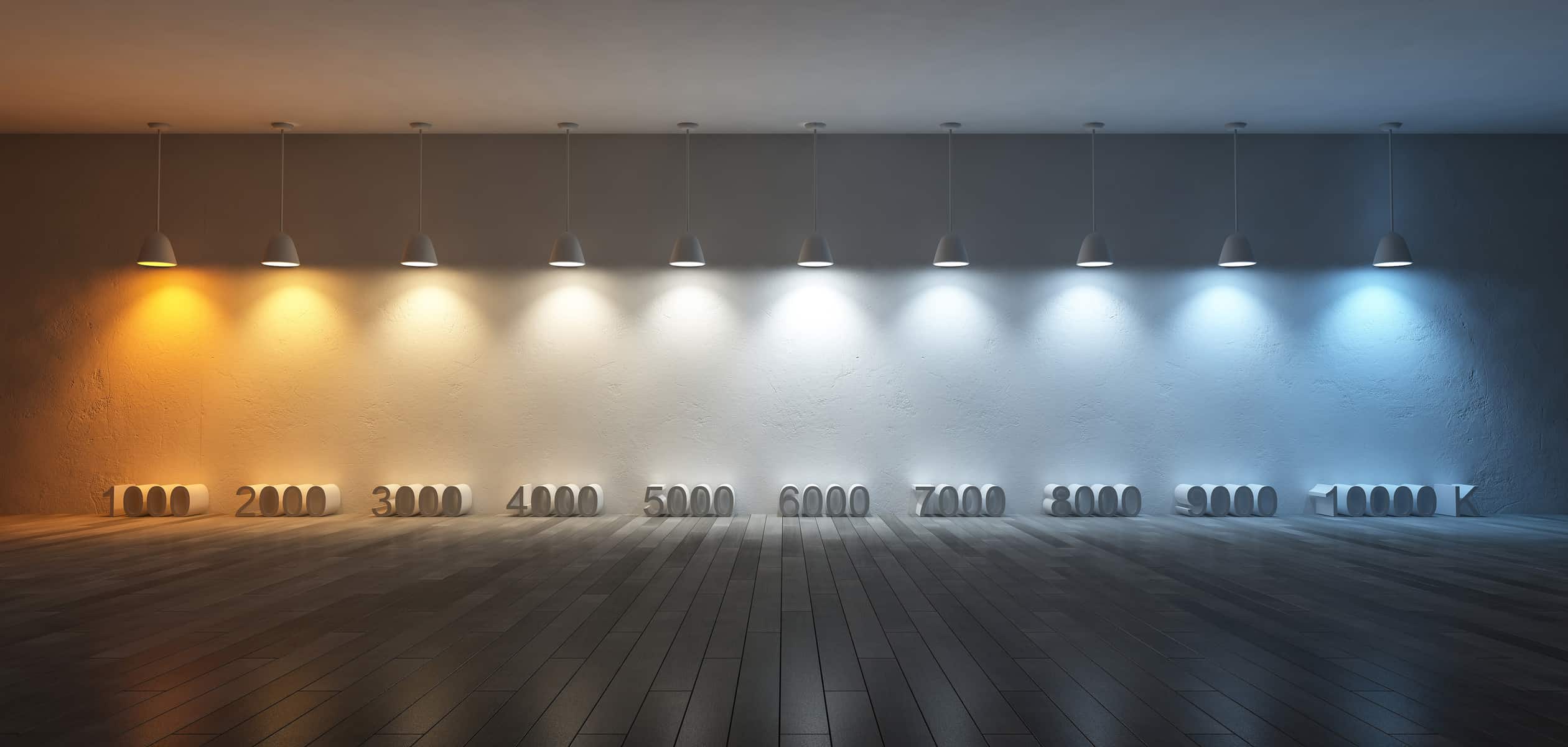
Color temperature, measured in Kelvin (K), dramatically affects how a room feels:
- Warm White (2700-3000K): Creates a cozy, intimate atmosphere—ideal for living rooms and bedrooms
- Neutral White (3500-4000K): Balanced and natural—perfect for kitchens and bathrooms
- Cool White (5000-6500K): Energizing and focused—best for home offices and workspaces
Designing with Natural Light
Natural light should always be the starting point of any lighting plan. Consider:
- Window placement and size in relation to room function
- How light changes throughout the day
- Using mirrors and reflective surfaces to maximize light
- Window treatments that balance privacy with light control
Common Lighting Mistakes to Avoid
Even well-intentioned homeowners often make these lighting errors:
- Single source syndrome: Relying on one overhead light creates flat, uninspiring spaces
- Ignoring dimmers: Fixed lighting levels limit flexibility and atmosphere
- Wrong height placement: Fixtures hung too high or too low disrupt visual balance
- Mismatched color temperatures: Mixing warm and cool lights creates visual discord
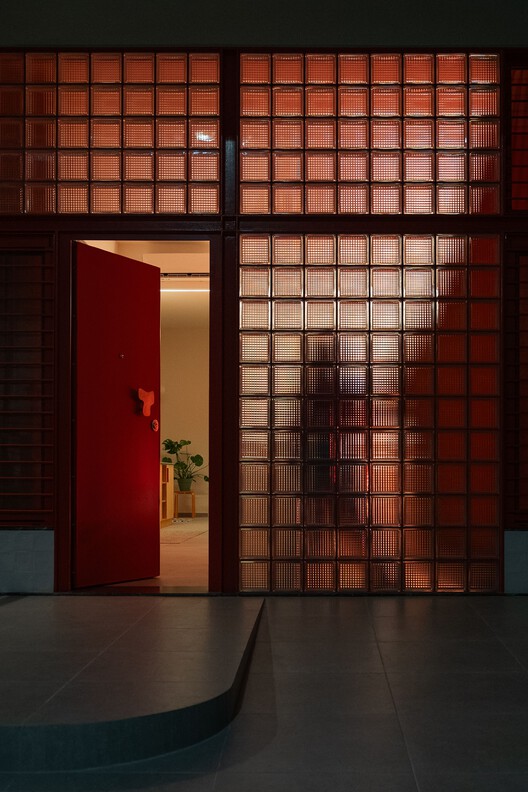
Working with a Professional
While basic lighting improvements can be DIY projects, complex lighting design benefits enormously from professional expertise. Interior designers understand how light interacts with colors, textures, and spatial proportions. They can anticipate issues and opportunities that aren't obvious to the untrained eye.
At Vahid Studio, lighting design is integral to every project we undertake. We consider natural light patterns, lifestyle needs, and aesthetic goals to create lighting schemes that truly transform spaces. Contact us to discover how thoughtful lighting design can elevate your home.
